News

How Modular Electric Motorcycle Fleets Lower Total Cost of Ownership?

2026-07-30

In the rapidly consolidating sector of urban micro-mobility and corporate last-mile delivery logistics, light electric vehicles are evaluated strictly through the lens of continuous fleet availability, structural depreciation constraints, and regional road-right regulations. Fleet procurement managers, regional e-mobility distributors, and urban transit operators are heavily scrutinizing operational overheads as cities globally enforce stricter low-emission zones. Standard lower-grade electric scooters frequently expose commercial buyers to sudden field failures, presenting rapid battery thermal decay, fragile tire beads that puncture during courier curb-mounting, and prolonged supply chain delays when requesting critical replacement parts under warranty.

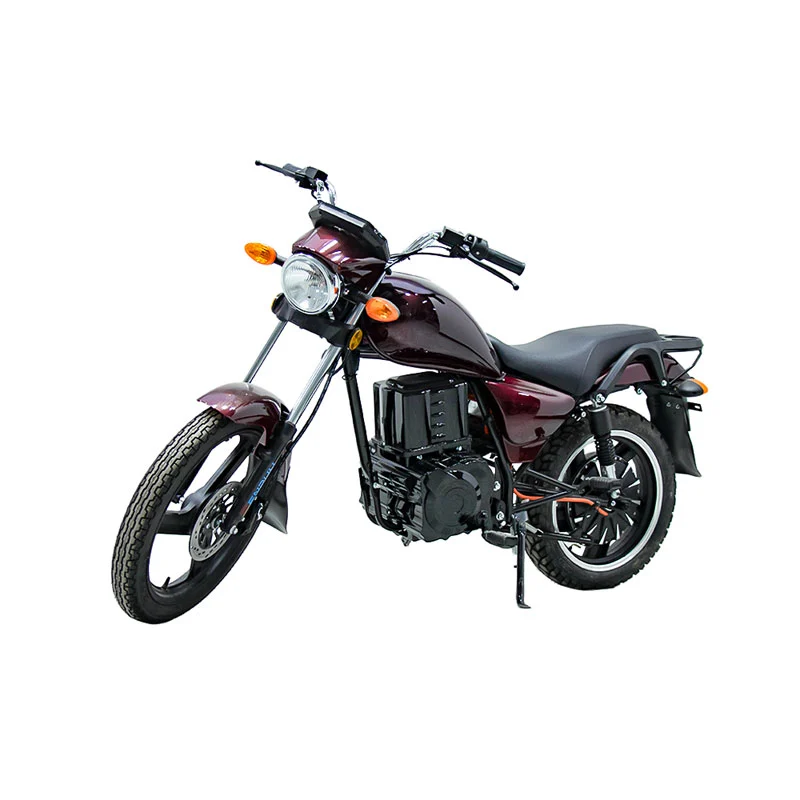
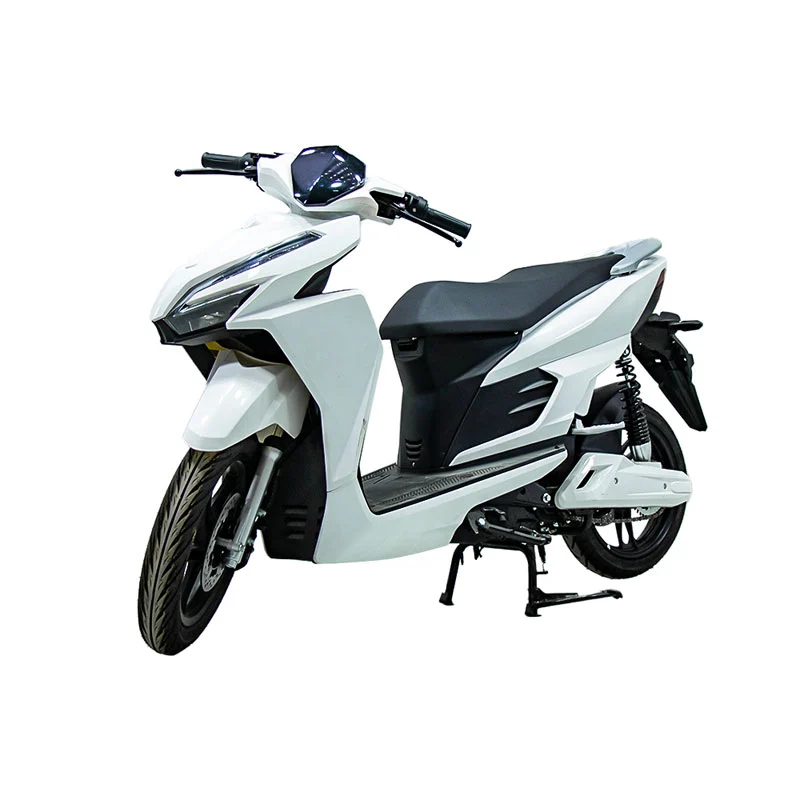
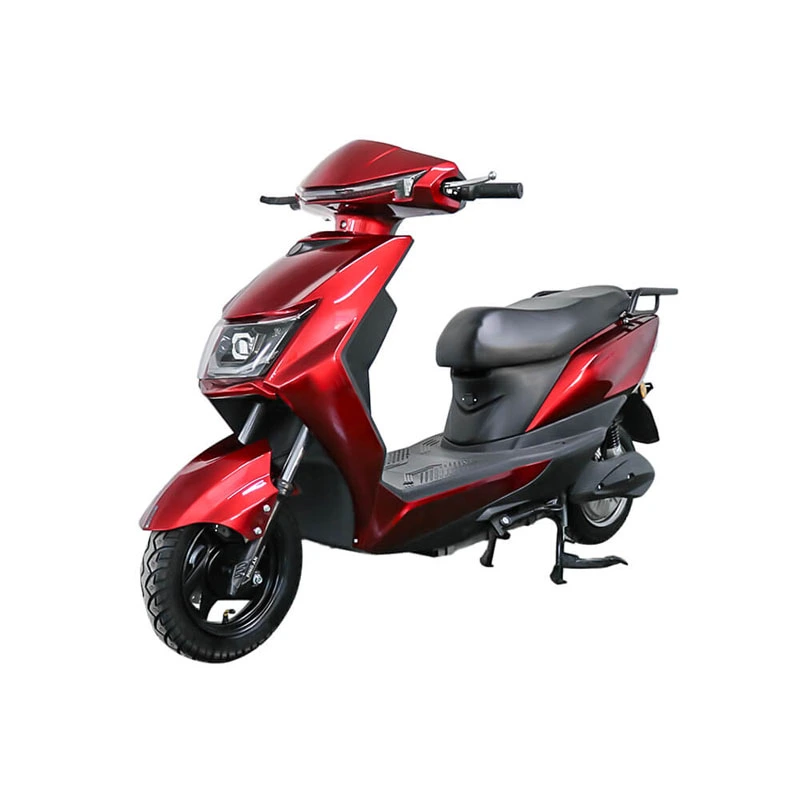
To secure a competitive retail edge and optimize the total cost of ownership across seasonal high-frequency commuting loops, international trade networks require manufacturing frameworks capable of modular powertrain scaling. The new design electric motorcycle series engineered by Hicalau addresses these diversified fleet configurations directly. By balancing aesthetic market visual warmth with a highly flexible mechanical platform, these eco-friendly scooters provide volume importers with a scalable urban transport asset capable of shifting between regional speed caps and long-range commercial cargo duties without altering the base chassis tooling.

Powertrain Scalability and Braking Dynamics across Volatile Topographies

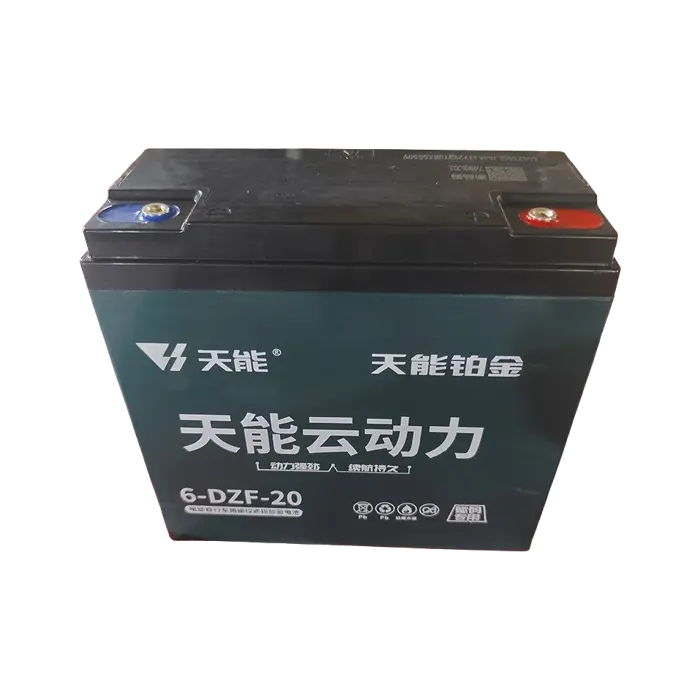
The primary commercial flexibility of the Hicalau light mobility platform relies on its open-architecture battery and motor integration, allowing wholesale buying networks to configure single shipments for distinct regional legislative speed limits. For standard commuter distribution zones requiring compliance with entry-level moped licensing, the base configuration utilizes an eight-hundred-watt high-efficiency motor managed by an intelligent twelve-tube controller. Powered by a forty-eight-volt twenty-ampere dense lead-acid energy cell, this configuration delivers a reliable cruising velocity of forty-five kilometers per hour alongside an operational range spanning forty to fifty kilometers on a single charge cycle.

For markets demanding high-speed inter-city transit or heavy-load delivery performance, the internal electrical infrastructure supports drop-in factory upgrade kits. Sourcing agents can scale the platform up to a heavy-duty seventy-two-volt twenty-ampere-hour battery configuration coupled with high-output motors. This industrial upgrade allows the vehicle to achieve a peak terminal velocity of eighty kilometers per hour and extends the total operational radius up to one hundred kilometers per charge. To ensure complete stopping precision under these enhanced kinetic loads, the chassis integrates a front hydraulic disc brake paired with a heavy-duty rear drum setup, drastically shortening emergency stopping distances under full-capacity weight loads reaching up to two hundred kilograms.

Chassis Architecture Controls and Global After-Sales Component Telemetry

Navigating rough urban infrastructure and climbing steep inclines greater than thirty-five degrees requires rigid suspension dampening and strict dimensional uniformity across the lower rolling assembly. The front fork utilizes precision-machined hydraulic oil pressure shock absorbers, working in synchronization with rear dual-hydraulic springs to isolate the main frame from heavy road-vibration fatigue. Ground contact is managed by high-density ten-inch vacuum tires, which can be upgraded to twelve-inch profiles at the factory level to increase ground clearance and enhance cornering stability across wet asphalt surfaces.

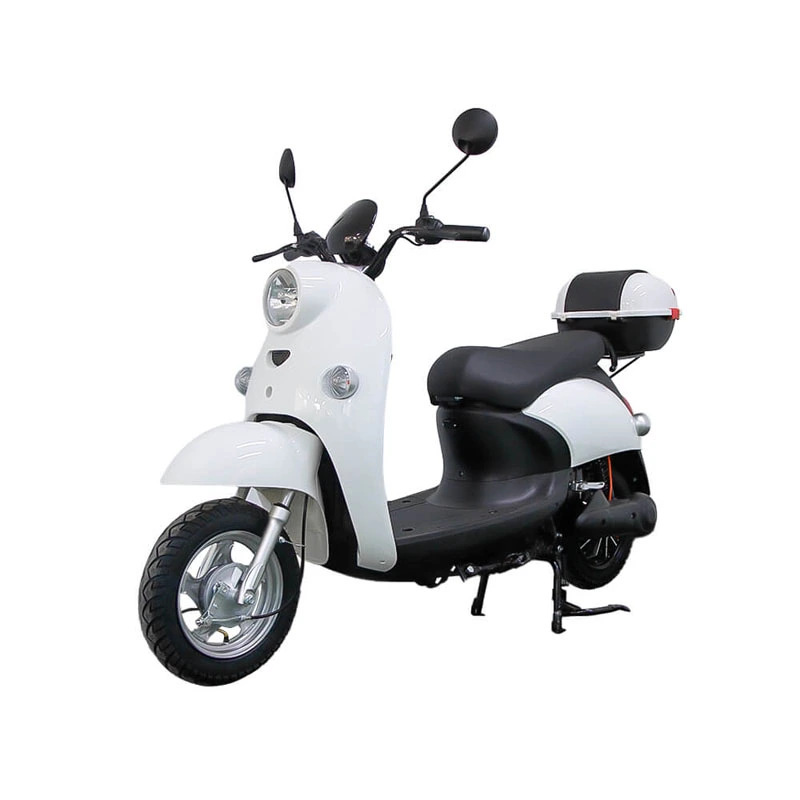
The cockpit assembly consolidates crucial vehicle tracking data onto a color high-definition display instrument, monitoring speed vectors and battery voltage metrics clearly under direct sunlight. Visual safety is supported by high-lumen forward LED headlight arrays, while the rear subframe comes standard with a reinforced, color-matched cargo box to streamline logistics courier applications. For specialized high-connectivity fleets, the factory accommodates non-standard OEM modifications, including integrated USB charging interfaces, dual anti-theft tracking devices, and custom-branded rearview mirror packages tailored to specific corporate visual identity codes.

Hicalau coordinates these customizable manufacturing processes with a responsive commercial technical assistance program to safeguard international bulk investments from prolonged equipment downtime. The brand provides a comprehensive quality guarantee across all light electric vehicles, allowing trade partners to execute rapid after-sales component replacements. Upon the digital receipt of standard photographic proof capturing a defective element, the factory dispatches replacement components immediately, bypass complicated auditing layers. This agile operational alignment enables international sourcing agents to negotiate flexible payment terms, implement strict quality control standards, and establish stable wholesale container-load delivery channels.

Do you require comprehensive battery degradation laboratory charts, official shipping volume dimensions for container layout planning, or a customized factory-direct FOB price quote based on your specific regional speed restrictions?

Contact the Hicalau international e-mobility export division today to coordinate immediate commercial consultation! Our global transit specialists will deliver complete technical configuration reviews and definitive volume pricing structures within twelve hours.

Related News
X
We use cookies to offer you a better browsing experience, analyze site traffic and personalize content. By using this site, you agree to our use of cookies. Privacy Policy
Reject Accept