Whatsapp
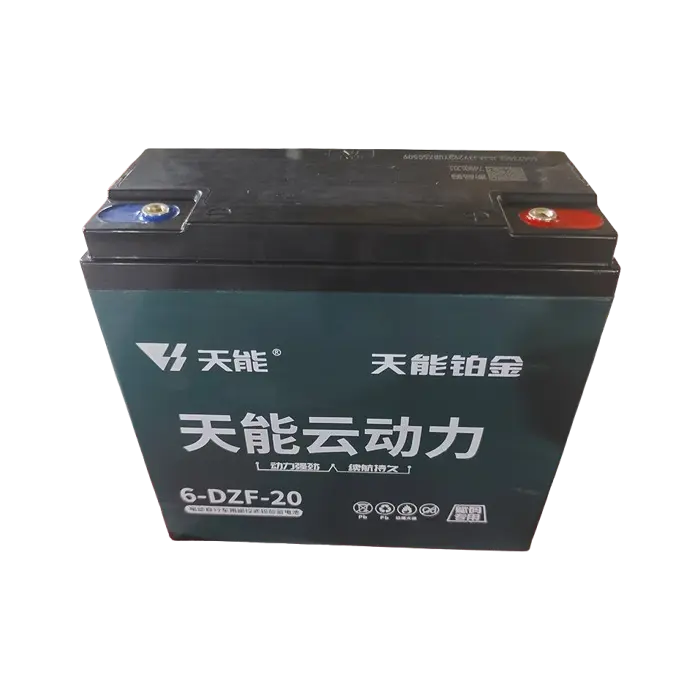
If you’ve ever wondered what powers so many of the world’s vehicles, backup systems, and industrial applications, the answer is often the reliable Lead-acid Battery. Despite newer technologies emerging, this veteran power source remains a cornerstone of global energy storage. At Haikelun Trading, we specialize in providing robust and efficient Lead-acid Battery solutions, and we often hear from clients weighing their options. So, let’s dive into the real strengths and limitations of this technology from a practical, user-focused perspective.
What Makes Lead-acid Batteries a Cost-Effective Power Solution
From my daily conversations with customers, the foremost advantage is undeniable: cost. The initial investment for a Lead-acid Battery is significantly lower than most alternatives. This makes them incredibly accessible for large-scale deployments where budget is a primary concern. Furthermore, their simple, time-tested technology means manufacturing and recycling processes are mature and widely available. For businesses managing fleets of electric forklifts or large solar storage banks, this cost-effectiveness directly impacts the bottom line. The products we handle at Haikelun Trading, like our deep-cycle series, are built to maximize this value, offering a dependable performance cycle that customers can bank on.
How Do Technical Specifications Translate to Real-World Performance
Let’s look at the concrete specs. A standard Lead-acid Battery offers a compelling balance of power, reliability, and safety. Here are some key parameters that define our typical offerings:
High Discharge Rate: Capable of delivering the high cranking currents needed for engine starting.
Robust Construction: Withstands vibration and harsh conditions, ideal for automotive and marine use.
Low Self-Discharge: Retains charge for longer periods when not in use compared to some alternatives.
Wide Operating Temperature Range: Performs reliably in both hot and cold climates.
For a clearer comparison, here’s how one of our popular models stacks up:
| Parameter | Specification | Practical Implication for the User |
|---|---|---|
| Nominal Voltage | 12V | Standard compatibility with most vehicles and equipment |
| Capacity (C20) | 100Ah | Can deliver 5 amps of current for 20 hours before needing a recharge |
| Cycle Life (to 50% DoD) | ~300 cycles | Ideal for applications with regular, deep discharging like renewable energy systems |
| Approx. Weight | 30 kg | Consideration for installation and mobility needs |
What Are the Common Drawbacks and How Can We Mitigate Them
No product is perfect, and being upfront is part of our ethos at Haikelun Trading. The main trade-offs with a standard Lead-acid Battery are weight, maintenance, and lifespan under deep discharge conditions. They are heavier than lithium-ion counterparts and may require periodic watering. However, this is where product selection becomes key. We guide our clients towards sealed (VRLA) batteries for maintenance-free operation or recommend specific deep-cycle designs from our catalogue that are engineered for longer cycle life, effectively mitigating these classic pain points.
Why Should You Consider Haikelun Trading for Your Battery Needs
Understanding these advantages and disadvantages is just the first step. The right partner ensures you get a battery whose strengths match your application perfectly. Haikelun Trading isn’t just a supplier; we are your technical ally. With years of industry expertise, we help you navigate these specifics—whether you need a battery for uninterrupted power supply, solar energy storage, or heavy-duty machinery. We ensure you leverage the enduring reliability of the Lead-acid Battery while making an informed choice that aligns with your operational and financial goals.
Have a specific application in mind or need clarification on the best battery type for your project Contact us today with your requirements. Our team is ready to provide detailed quotes and technical support to power your success. Reach out for your personalized solution.